Nobody or No Body Quiz | Test Your English Grammar Skills
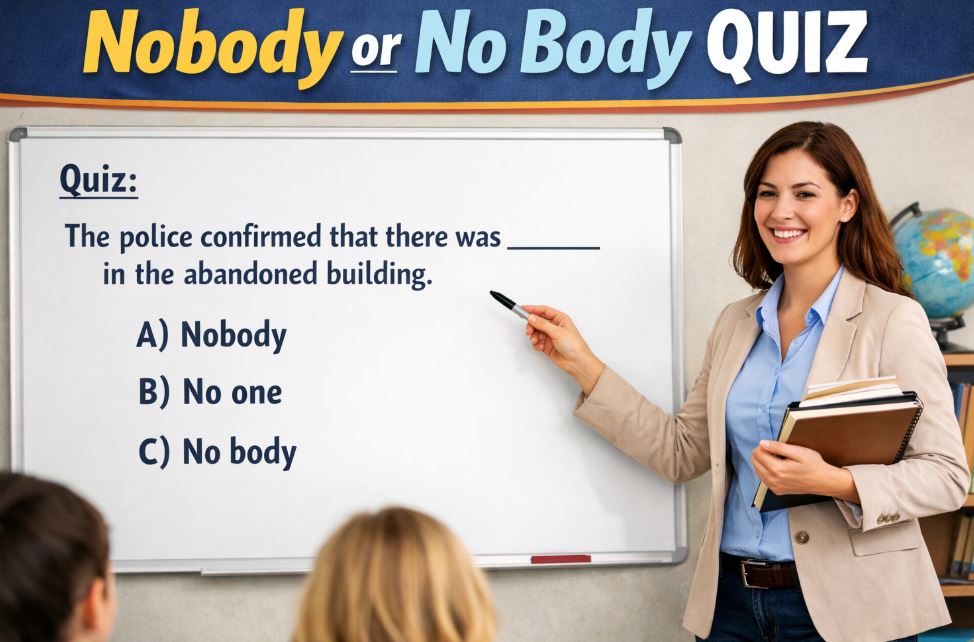
Nobody or No Body Quiz

Understanding the difference between “nobody” and “no body” is a common challenge for English learners. Although these two phrases look similar, they carry very different meanings and are used in completely different contexts. This Nobody or No Body Quiz is designed to help you master the distinction through clear explanations and carefully crafted multiple-choice questions. … Read more
Neither VS Either | Complete Guide for English Learners

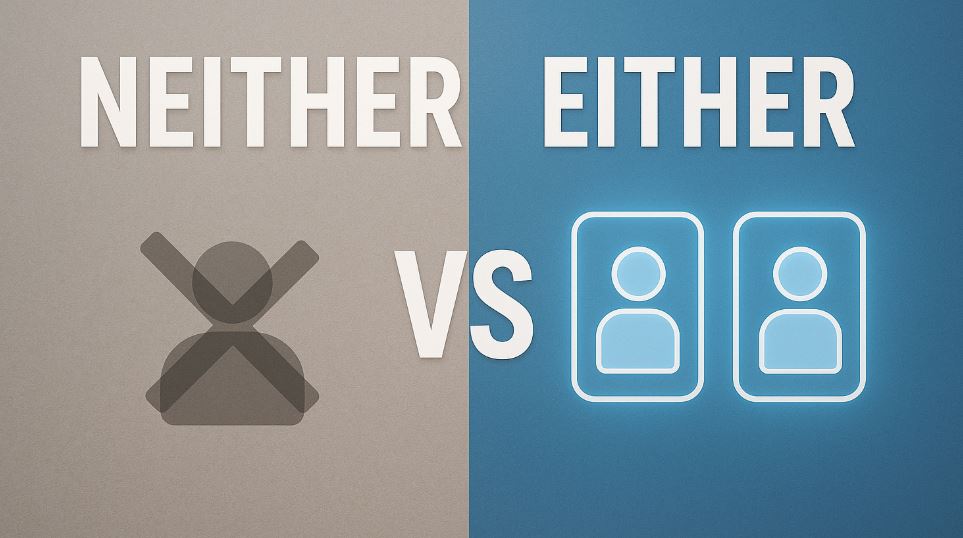
Neither VS Either

English learners often face challenges when encountering words that look or sound similar but have completely different meanings and uses. Two such commonly confusing words are “neither” and “either.” Although they might seem interchangeable at first, each serves a distinct purpose in English grammar. “Neither” is used to indicate that none of the two options … Read more

12 Ways to Use Would in English

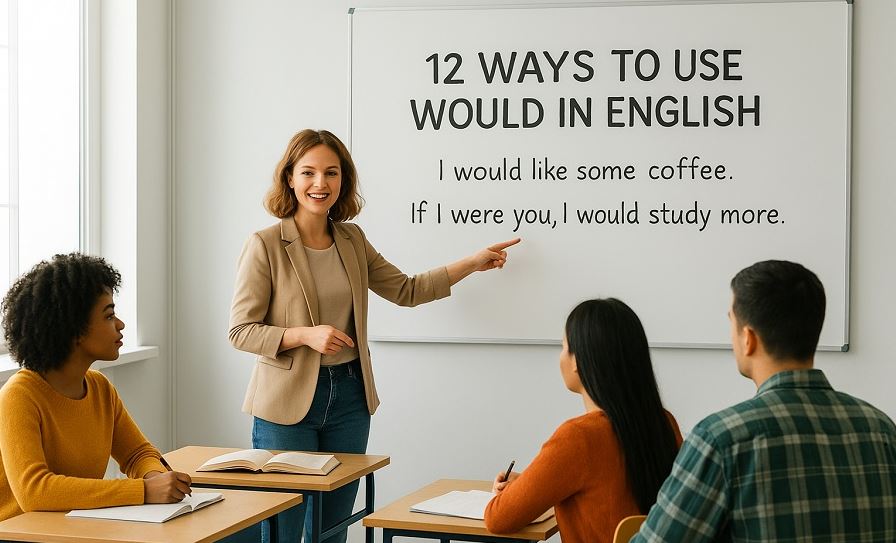
12 ways to use Would in English

Learning how to use “would” is an important step in mastering English communication. This small but powerful word appears in many situations — from polite requests to imaginary conversations about the past or future. Understanding its uses helps you sound more natural, respectful, and fluent in everyday speech. For example, we say “I would like … Read more

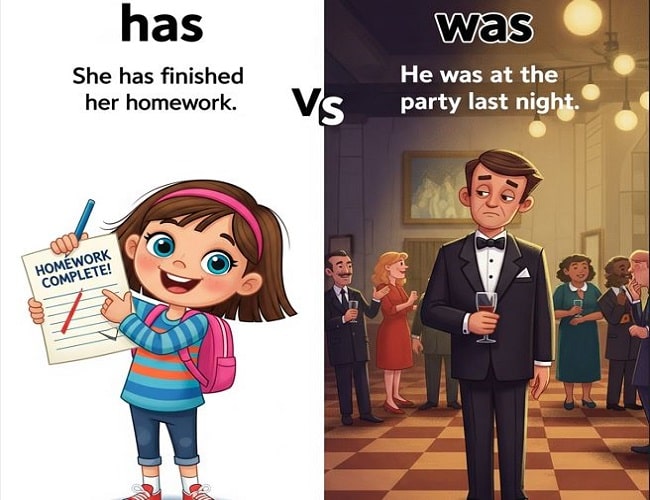
Has VS Was | Uses, Examples, Structure with Differences

Has VS Was

Mastering the correct usage of verbs is one of the most important foundations of learning English. Among the most frequently confused verb forms are “has” and “was”, especially for those new to grammar or learning English as a second language. These two words may seem similar, but they belong to different tenses and serve distinct … Read more

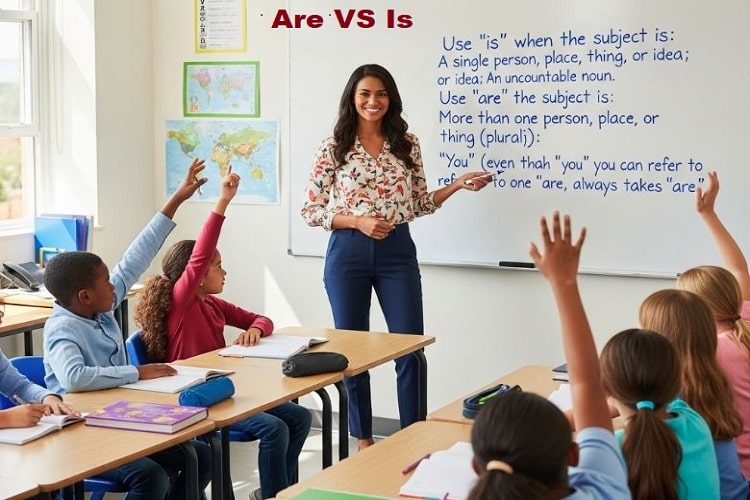
Are VS Is | Examples, Exercise, & What’s the Real Difference

Are VS Is

Even fluent English speakers sometimes pause when choosing between “are” and “is.” Why? Because while these tiny words seem simple, they carry the heavy responsibility of making sentences grammatically correct—and that’s where confusion often begins. Both “are” and “is” are present-tense forms of the verb “to be,” yet they aren’t interchangeable. Choosing the right one … Read more

Can VS May | Differences, Uses, Structures, Examples with details

Can VS May

Have you ever hesitated between saying “Can I?” or “May I?” in a conversation or email? If so, you’re not alone. Knowing the difference between can vs may is one of the most common challenges English learners—and even native speakers—face. While both words are modal verbs used to express permission, or possibility, using them incorrectly … Read more

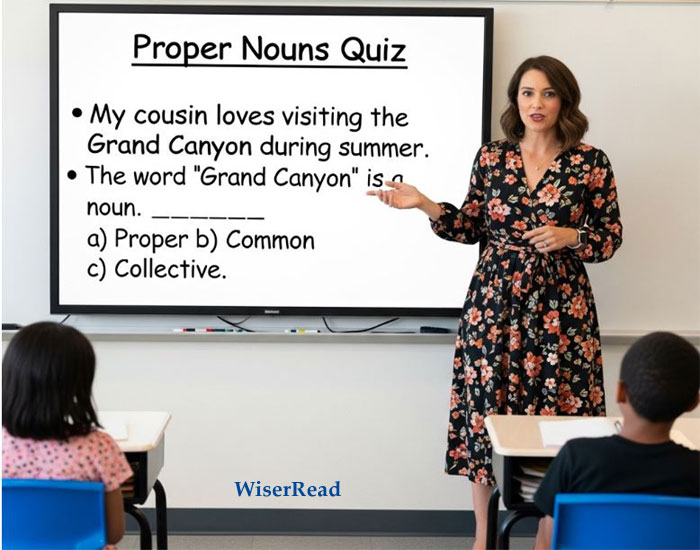
Proper Nouns Quiz | Start Your Grammar Skills!

Proper Nouns Quiz

Proper nouns are essential for clear, specific communication. They help us identify particular people, places, brands, or things and are always capitalized. Think of “Amazon” instead of “store,” or “Emma” instead of “girl.” This Proper Nouns Quiz is designed to test your knowledge and help you master one of the most important parts of English … Read more

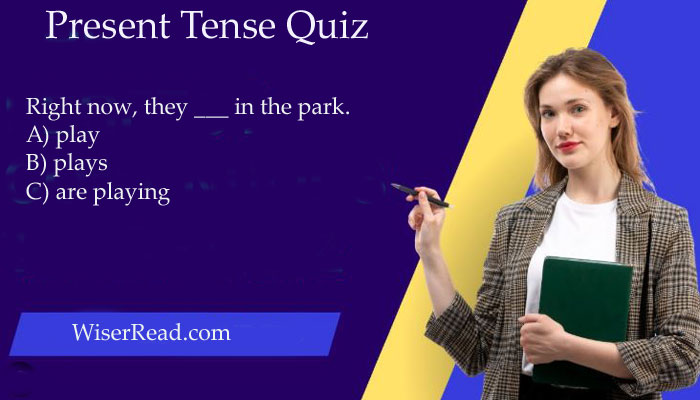
Present Tense Quiz | Grammar Test

Present Tense quiz

  Past Perfect Continuous Quiz Mastering the present tense is essential for anyone learning or improving their English skills. The present tense helps us talk about actions happening now, regular habits, universal truths, and ongoing situations. In English, the present tense isn’t just one form — it includes present simple (indefinite), present continuous, present perfect, … Read more

Past Continuous Quiz With Examples

Past Continuous Quiz

Looking to master English grammar and improve your understanding of tenses? Our Past Continuous Quiz is the perfect tool to test your skills and boost your confidence. The past continuous tense (also called the past progressive) describes actions that were happening at a specific time in the past. This tense is often used to set … Read more

Future Time Quiz – Practice Your Understanding of Future Time

Future Time Quiz

Understanding how to express the future correctly in English is essential for clear and fluent communication. The Future Time Quiz below will help you practice how to use different future forms, such as “will,” “going to,” and the present continuous. Whether you’re preparing for an English language test or simply want to improve your grammar, … Read more