Anybody vs Nobody | Differences, Examples, Uses and More

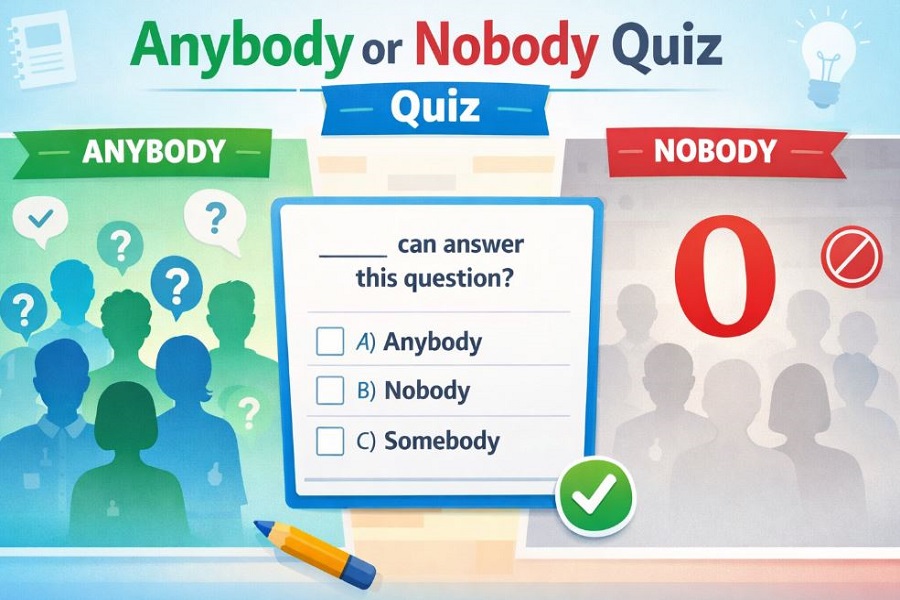
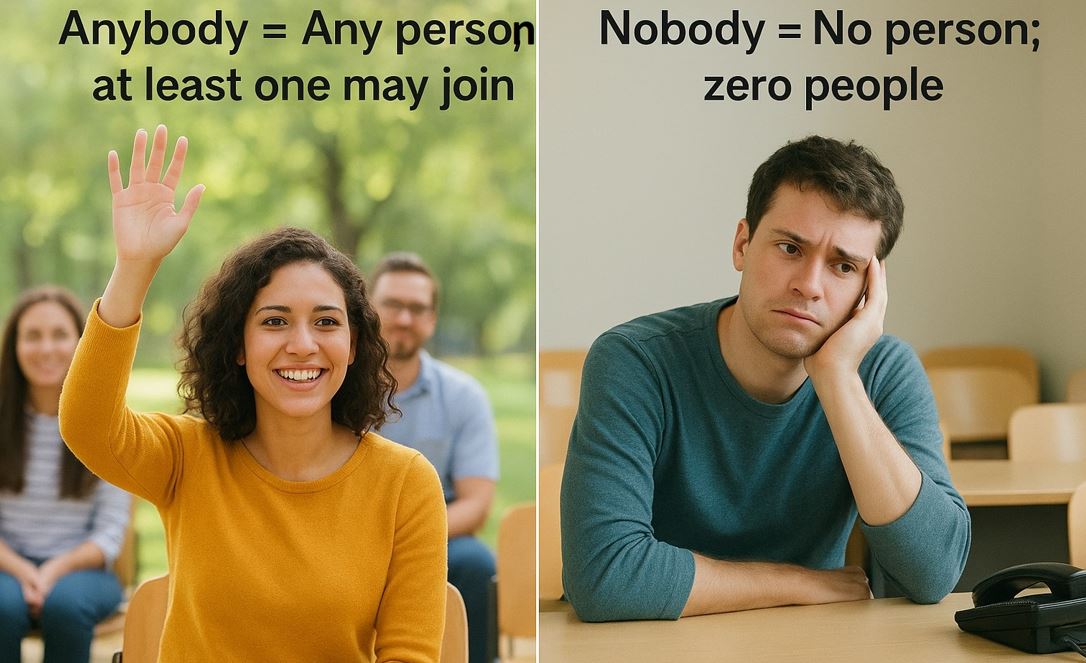
Anybody VS nobody

Understanding the difference between “anybody” and “nobody” is an important step toward improving your English communication skills. These two simple words may look similar, but they express completely opposite ideas. “Anybody” opens possibilities and includes all people, while “nobody” shuts the door to all possibilities by referring to zero people. English learners often get confused … Read more

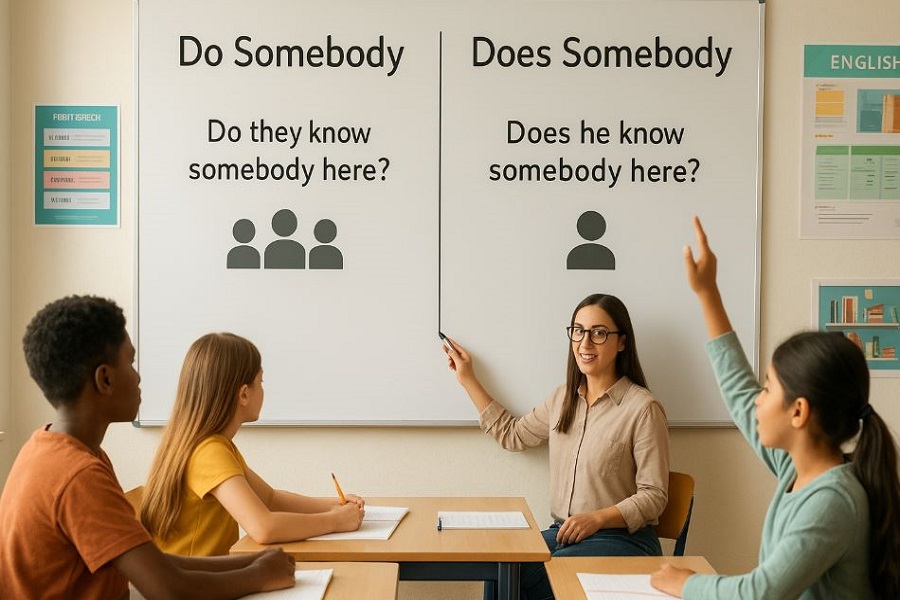
Do Somebody VS Does Somebody | Meaning, and Examples

Do Somebody VS Does Somebody

Many English learners get confused by the phrases “do somebody” and “does somebody.” You’ll get here everything about the Do Somebody VS Does Somebody with differences details. While they may seem similar, using the wrong one can make your sentences sound incorrect or awkward. Knowing the difference helps you speak and write clearly. These phrases … Read more

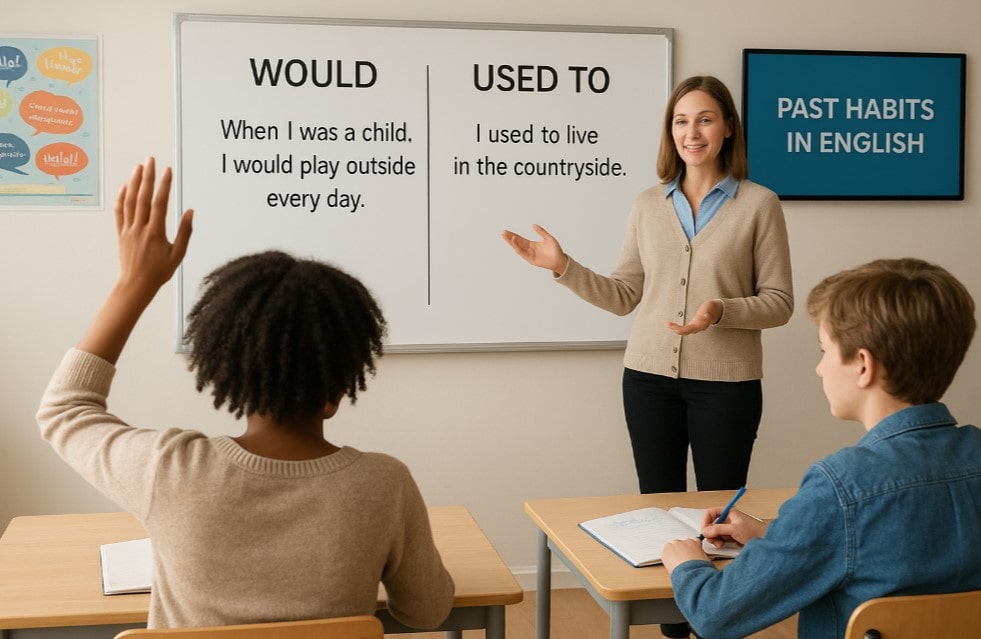
Would VS Used to | Complete Guide with Examples, And Exercises

Would VS Used to

English learners often find the difference between “would” and “used to” confusing. Both can describe past habits or repeated actions, but their usage differs slightly in meaning and context. Understanding these differences is key to speaking and writing English naturally. In this guide, you will learn: The meanings and rules of “used to” and “would” … Read more

Will or Would Exercises | Differences with Simple Examples

Will or Would Exercises

Learning when to use “will” and “would” correctly is a key part of improving your English grammar. While these two modal verbs appear similar, they serve very different purposes. This guide on Will or Would Exercises will help you clearly understand how each word works. You’ll find easy explanations, real-life examples, and fun grammar activities … Read more