Is vs Does | Difference, Uses, Chart, & Examples

Is VS Does

If you’ve ever been unsure about when to use “is” or “does,” you’re not alone. These two small words play big roles in English grammar, and many learners confuse them — especially when forming questions or negatives. In this guide, you’ll learn the difference between “is” and “does,” how to use them correctly, and how … Read more

Will Be vs Would Be | Complete Guide with Examples, And Chart

Will be VS Would be

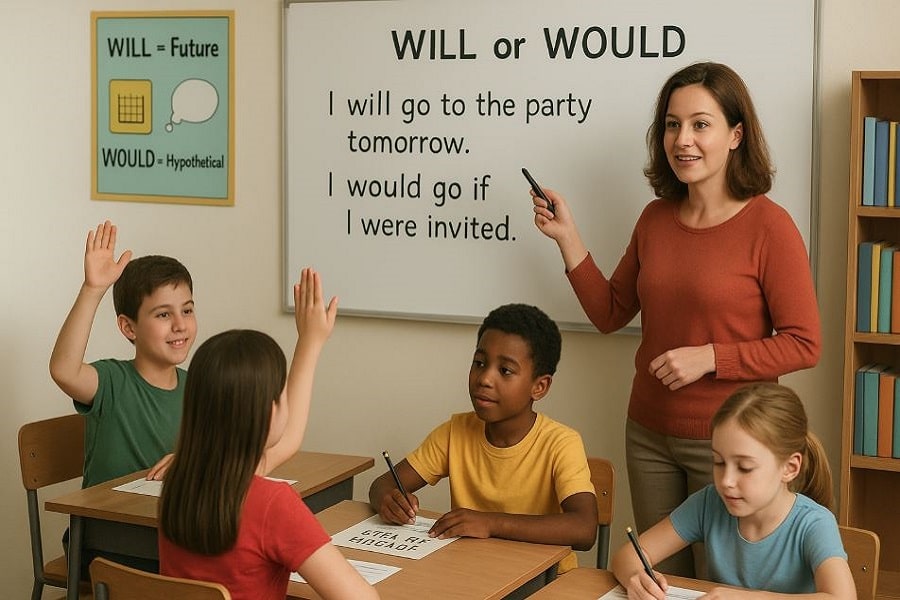
English learners often get confused between “will be” and “would be.” At first glance, they look similar — but their meanings and uses are very different. Will be = expresses a certain fact, plan, or promise about the future. Would be = expresses hypothetical or conditional ideas, politeness, or the past form of “will.” Quick … Read more

Have Been or Had Been Quizzes | A Complete Guide for Learners

Have been or Had been quiz

English learners often get confused between “have been” and “had been.” Both are forms of the verb to be, but they are used in different contexts and tenses. Understanding the difference can improve your grammar, fluency, and writing clarity. In this guide, we’ll explain: What “have been” means and how to use it What “had … Read more

How to Become a Great English Teacher?

How to become a Great English Teacher?

Becoming a great English teacher goes beyond mastering grammar rules and vocabulary—it requires passion, empathy, a commitment to continuous growth. A truly impactful English teacher inspires students to explore language as a powerful tool for expression, communication, and understanding the world. It’s not just about teaching literature or writing mechanics; it’s about nurturing curiosity, building … Read more

Did VS Have | Differences, Uses, Examples, and Structure details

Did VS Have

Many English learners struggle with the difference between did and have, and it’s easy to see why. Both words appear often in everyday conversations, English grammar exercises, and English proficiency exams. They may look simple, but their uses are quite different—and mixing them up can quickly lead to confusion or incorrect sentences. Understanding did and … Read more